Stop Pretending You Matter, My Brother Said In Front Of His New Wife. This Family Runs Fine Without You. I Looked At Him. Then I Looked At His Wife. Then I Looked…

My brother said our family didn’t need me, so I decided to stop providing everything they had taken for granted—and let them discover what independence actually cost.
Tap LISTEN TO THE FULL STORY below to reveal the narrated video and start listening.
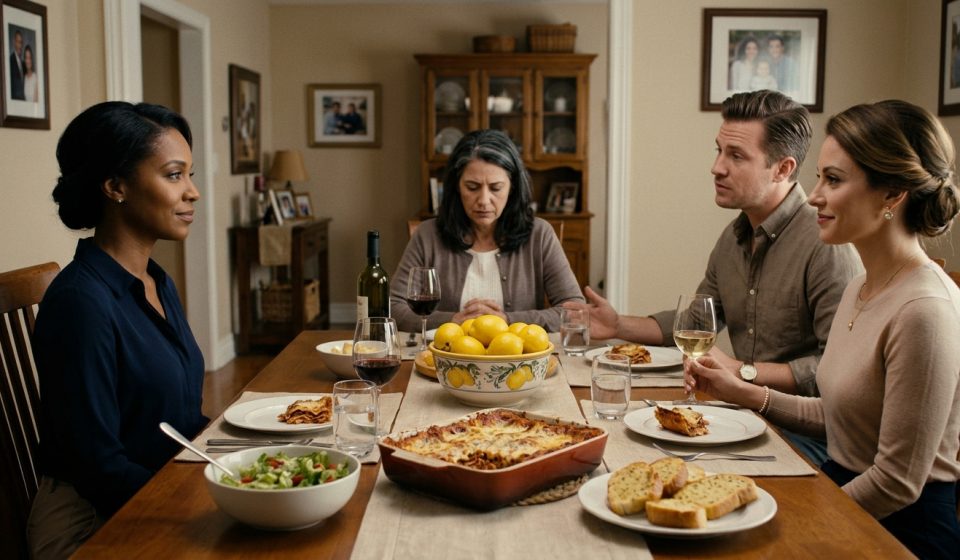
Stop pretending you matter, my brother said in front of his new wife. I looked at Adrian, then at Bianca, and finally at our mother, who suddenly found a decorative bowl of lemons fascinating. He had just declared that our family ran perfectly well without me. For years, I’d been the person who quietly kept everything organized, paid bills, and solved problems before anyone noticed them. Yet there I was, being told that none of it mattered. Instead of arguing, I nodded and said one word: “Okay.” Then I smiled and suggested we test his theory.
My name is Letitia, I’m thirty-four, and I organize weddings for a living. My work involves preventing disasters, negotiating with vendors, and fixing problems nobody else sees coming. Those skills had made me useful to my family, too useful, apparently. My mother called me controlling. Adrian said I obsessed over money. An aunt joked that I was the family secretary. Nobody mentioned that I was also paying for a surprising number of things.
It began innocently. When Mom struggled with her phone bill, I added her to my family plan. When Adrian lost his job, I added him too. I paid for Mom’s internet, streaming subscriptions, roadside assistance, part of her car insurance, and grocery delivery. I guaranteed Adrian’s apartment lease and covered various memberships and online services. Everything worked so smoothly that nobody thought to ask who was making it possible.
🎧 Listen to the Complete Story
Press ▶ Play below to enjoy the full narrated story.
Six months earlier, Adrian married Bianca. At first I liked her. I planned most of their wedding for free, from finding the venue and negotiating catering to arranging the photographer and solving seating problems. It was work that normally would have earned me thousands of dollars. Adrian dismissed it by saying I liked doing those things anyway. Bianca gradually adopted a similar attitude. Whenever I reminded someone about an expense, she smiled as though I was making a fuss over nothing.
Then came Sunday dinner at Mom’s house. Adrian and Bianca arrived forty minutes late without bringing anything. I brought wine, salad, garlic bread, and dessert, then helped set the table. When the television wouldn’t connect to show their honeymoon photographs, Adrian called for me. When Mom forgot her Wi-Fi password, she called for me. When Adrian couldn’t access his sports app, he called for me again. I fixed everything without complaint.
Later, I reminded Adrian that he still owed his share of Mom’s car repair. Bianca rolled her eyes and asked whether we could have one dinner without discussing money. I pointed out that I’d mentioned it only once. Adrian laughed and accused me of acting as though everything would collapse without me. Then he told me to Stop pretending you matter, because the family ran fine without me.
Mom offered a weak objection. Bianca smiled into her wine. Something in me became unexpectedly peaceful. I didn’t need to explain what I contributed or demand that anyone thank me. I could simply let them experience life without the invisible support they had come to expect.
I went home, made tea, and opened my laptop. I wasn’t planning to damage anyone’s property or cancel services that belonged to them. I wanted to examine every voluntary payment, shared account, subscription, and financial responsibility I’d been maintaining. As I began reviewing the list, I realized just how many everyday conveniences depended on me. And the more I uncovered, the clearer Adrian’s little challenge became.
There were phone lines, insurance arrangements, streaming services, memberships, and payments that had become so routine I barely remembered agreeing to them. Some were for Mom, some for Adrian, and others benefited the entire family. I’d kept everything running because helping had once felt like the right thing to do. But now I was beginning to wonder how much of that help had quietly become an expectation.
I kept reviewing the accounts, and what I discovered about my family’s dependence on me was only the beginning.