
Parents Ignored My Kids for Years While Funding My Brother’s Children, but When They Tried to Reconnect After My Kids Became More Successful, I Said It Was Too Late and…

For years, my parents treated my brother’s children as though they mattered more than mine, but their unexpected phone call made me question why they suddenly wanted to be grandparents again.
Tap LISTEN TO THE FULL STORY below to reveal the narrated video and start listening.
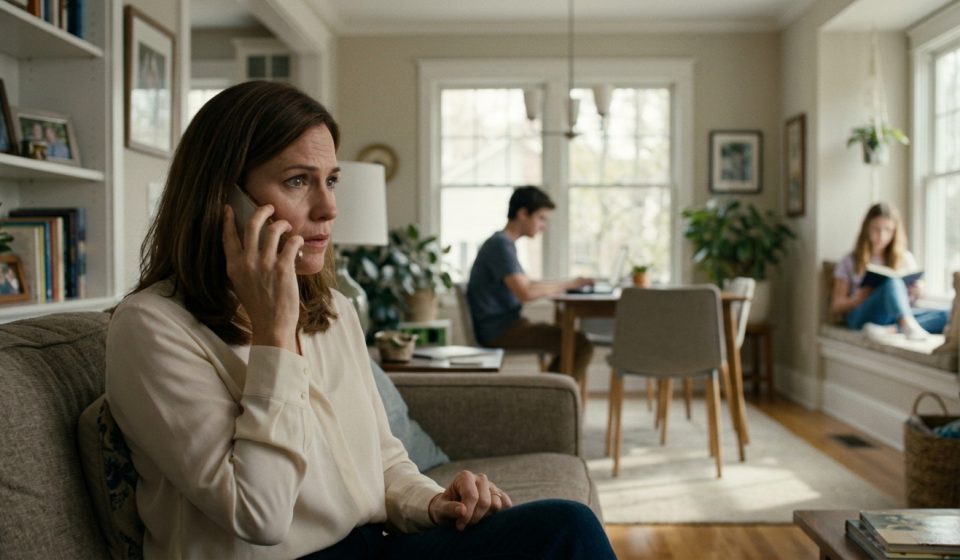
Parents Ignored My Kids for Years, while quietly pouring their attention and financial support into my brother’s family. I had spent so long accepting that my parents would never treat us equally that their sudden phone call almost didn’t feel real. We hadn’t spoken meaningfully in years. There had been occasional birthday greetings and Christmas messages, but nothing resembling a close family relationship. Then, without warning, my mother called and said she and Dad wanted to reconnect with my children. She spoke with an excitement I hadn’t heard directed toward my family before. I should have been happy that they were finally interested, but all I could think about was everything they had missed. My children had grown up knowing their grandparents preferred their cousins, and now I was expected to welcome those same grandparents back as though the years of distance had meant nothing.
My brother had always been the golden child. In my parents’ eyes, he could do no wrong, regardless of his mistakes. I was the child who never quite measured up, no matter how hard I worked. Eventually, I built my own life away from their influence and concentrated on raising my children to be independent, intelligent, and determined. My brother stayed close to our parents, enjoying their approval and the opportunities that came with it. The difference became especially painful when I learned they had established a trust fund for his children while leaving mine with nothing. It wasn’t simply about money. They had also ignored my children’s achievements and shown little interest in their lives. Watching that favoritism continue into another generation hurt more than anything they had done to me personally. I had learned to live without their approval, but I hated knowing my children had been made to feel less important.
The strangest part was the timing. My children were doing better than my parents had ever expected, building successful lives without the advantages their cousins received. For years, my parents had focused so completely on my brother’s family that they barely noticed what mine was accomplishing. Now they wanted to become involved. My mother said they had been thinking about how much time had passed and believed it would be nice to catch up. She sounded casual, almost cheerful, as though this were an ordinary family reunion. I could feel my stomach tightening. I wanted to ask where that enthusiasm had been when my children were younger. Why had they never shown the same interest before? And why did their desire to reconnect appear only after my children had begun proving themselves?
🎧 Listen to the Complete Story
Press ▶ Play below to enjoy the full narrated story.
I asked my mother what she was actually trying to say. She hesitated before explaining that she and Dad had always wanted to be close to the children.
According to her, now that the kids were older, everyone should make up for lost time.
I could hardly believe what I was hearing. My parents had spent years treating my brother’s family as the center of everything, yet she was speaking as though nobody had ever been pushed aside.
Parents Ignored My Kids for Years, and the hurt wasn’t something my mother could erase with one cheerful phone call.
My children had developed their own pride and independence. They knew what it felt like to be overlooked, even if they didn’t know every detail of the favoritism.
I told her I wasn’t sure they were ready to reconnect. They hadn’t forgotten how they were treated.
The silence on the other end of the line was immediate.
Then my mother began searching for an explanation. She insisted that parents sometimes made mistakes and that people needed to move on from the past.
I listened, wondering whether she understood what she was asking.
She wanted my children to overlook years of disappointment without first acknowledging what had happened.
But when she finally explained why she thought we should move on, I realized this conversation was going to be much harder than she expected.