My Fiancé Said, We’re Not Getting Married Until You Put My Name On Everything You Own. I Smiled And Replied, All Right, I Understand. Then I Called The Wedding…

My fiancée demanded ownership of everything I’d worked for before she would marry me, but my response turned our wedding plans into something neither she nor her mother expected.
Tap LISTEN TO THE FULL STORY below to reveal the narrated video and start listening.
We’re not getting married until you put my name on everything you own. Those were the words that made me question whether my fiancée, Melissa, truly wanted to marry me or simply wanted access to everything I had built. I was thirty-five, and after spending most of my adult life single by choice, I genuinely believed I’d found someone worth sharing my future with. We had spent two years together, planned a December wedding, and committed thousands of dollars to the celebration. But what began as a conversation about financial security was slowly becoming an ultimatum I couldn’t ignore.
I met Melissa at a charity fundraiser where I was volunteering. She worked in pharmaceutical sales, always looked polished, and had a natural ability to make people feel comfortable. We connected immediately. Six months later, we moved in together, and after another year, I proposed at the same venue where we first met. She cried when I asked, accepted the ring, and posted a photograph on Instagram almost immediately. I thought we were both excited about building a life together.
I owned a modest three-bedroom suburban house that I’d purchased five years earlier when property prices were favorable. I also had approximately $80,000 in investments and a truck that was completely paid off. I wasn’t wealthy, but years of careful decisions had given me financial stability. Melissa had rented an apartment before we met and never expressed much interest in buying property herself. For most of our relationship, our different financial circumstances hadn’t seemed to create any problems.
🎧 Listen to the Complete Story
Press ▶ Play below to enjoy the full narrated story.
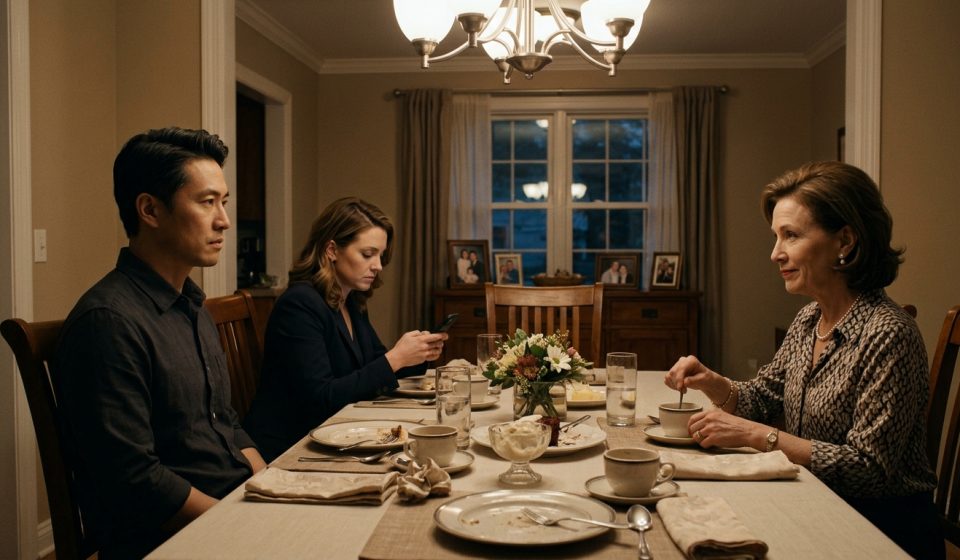
Then, about three months before everything fell apart, we visited Melissa’s mother, Patricia, for Sunday dinner. Patricia had been widowed for seven years and had a habit of delivering uncomfortable comments with a pleasant smile.
After dinner, while we were drinking coffee, she mentioned that Melissa had told her I owned my home outright. She complimented my financial position before asking what would happen to the property if something happened to me.
I explained that I already had a will. My sister and her children were the beneficiaries.
Patricia’s expression changed.
She questioned whether that arrangement made sense when I was preparing to get married. She suggested that my future wife should already be protected and asked why I hadn’t taken steps to ensure that.
I explained that Melissa and I would review those matters after marriage.
But Patricia wasn’t satisfied. She wanted Melissa’s name added to my house and financial accounts before the wedding. She insisted it would demonstrate that I considered her daughter a priority.
We’re not getting married until you put my name on everything you own wasn’t something Melissa had said yet, but I was beginning to recognize where that expectation was coming from.
I calmly told Patricia that decisions about our finances belonged to Melissa and me. We left shortly afterward, but the conversation followed us into the car.
Melissa remained quiet until we were halfway home. Then she admitted that she agreed with her mother.
She worried that if something happened to me before the wedding, she would receive nothing. I suggested discussing a prenuptial agreement and making sensible arrangements together.
Instead, she questioned why my sister would inherit everything.
I reminded her that we weren’t married yet and that financial planning deserved a proper conversation rather than decisions made under pressure.
Melissa crossed her arms and asked whether I intended to keep her name off my assets until after the ceremony.
I tried explaining that I wasn’t rejecting our future together. I simply wanted us to approach it carefully.
She stopped speaking to me for the rest of the evening.
Over the following weeks, she repeatedly mentioned other couples who had transferred property or vehicle ownership as gestures of trust. Every conversation began to feel like another test.
Then, on a Tuesday evening, she came home from work, sat down at our kitchen table with her laptop, and announced that we needed to talk.