
My Family Said, “You’re Not Welcome At Christmas. It’s Only For Parents Now.” I Smiled And Booked A Luxury Cruise Instead. When I Posted Photos From The Deck…

Being excluded from family Christmas was painful enough, but what hurt most was realizing how easily six years of love, effort, and sacrifice could be forgotten.
Tap LISTEN TO THE FULL STORY below to reveal the narrated video and start listening.
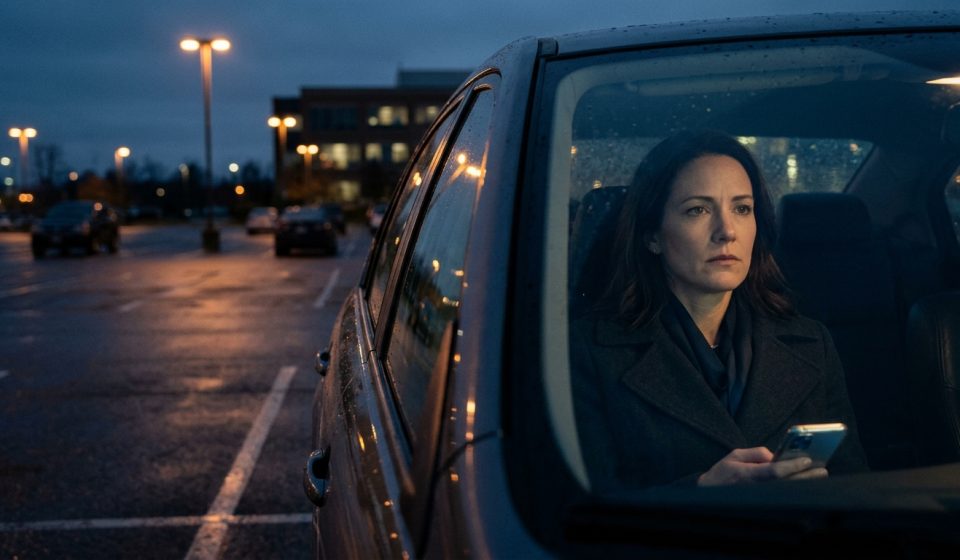
My family said you’re not welcome at Christmas, and I never imagined those words would leave me sitting alone in my car, struggling to understand what had just happened. It was November 12, just after five in the evening, and darkness had already settled over the work parking lot. My sister Colette had called while I was leaving, choosing the kind of moment when a difficult conversation could be delivered without much opportunity for discussion. She wasn’t shouting or being deliberately cruel. In fact, she sounded gentle, almost considerate, as she explained why the family’s Christmas gathering was changing. The children were getting older, she said, and the house was becoming chaotic. Christmas was turning into something specifically for parents and their children. Since I didn’t have children, she suggested I would probably enjoy a quieter holiday anyway. I said “fine” three times before ending the call. Then I remained in my parked car for forty minutes, replaying every word.
What made the conversation especially difficult was how reasonable Colette had tried to sound. She even reminded me how exhausted I usually felt in December, as though excluding me were somehow a thoughtful gesture. She assured me that everyone appreciated everything I did, although she never mentioned exactly what those things were. Instead, she offered to meet for coffee in January, just the two of us. Sitting in that freezing car, I began thinking about the previous six Christmas celebrations. I tried to remember one occasion when someone had personally thanked me for organizing everything. I couldn’t find one. There had been compliments about the house, casual remarks about how smoothly the holidays went, and cheerful conversations about family traditions. But somehow, the person responsible for making those traditions possible had disappeared behind the arrangements themselves.
I was thirty-nine, worked in payroll for a logistics company employing four hundred people, and lived alone in a two-bedroom apartment with an unreliable radiator. My long relationship had ended when I was thirty-three. Not having children hadn’t been one dramatic decision; life had simply unfolded that way. But within my family, it had become something much bigger than a personal circumstance. It determined what everyone assumed I could do, where I could sleep, and how much time I was expected to give.
🎧 Listen to the Complete Story
Press ▶ Play below to enjoy the full narrated story.
Because I had no children, I was supposedly the flexible one. I could travel earlier, accept the sofa bed, and rearrange my December without complaint. Nobody explicitly assigned these responsibilities. They simply became mine, year after year, until the arrangement felt permanent.
Six years earlier, when my mother’s knee problems made hosting Christmas impossible, I had found a beautiful rental property in a lake town two hours north. It accommodated eleven people, and everyone enjoyed themselves so much that returning became a family tradition. Every August, I searched for available dates before the best properties disappeared. I paid the deposit using my own credit card and handled the arrangements.
I also bought groceries for eleven people, often spending around four hundred dollars on a single shopping trip. Somewhere along the way, buying Christmas presents for my five nieces and nephews had become another responsibility that everyone quietly accepted. Whenever additional expenses remained after the celebration, someone would suggest settling the difference, but the money never arrived.
And now, after six years of making Christmas possible, I was being told that the celebration was only for parents.
I kept thinking about the reservation, the expenses, and the countless responsibilities nobody had ever discussed openly. One detail about those arrangements was beginning to trouble me more than anything Colette had said.
If I was no longer welcome at Christmas, why was I still the person everyone expected to make it happen?