In Front Of 37 Co-Workers, My Boss Pointed At Me, This Is What Deadweight Looks Like, 9 Years, Zero Results, I Said Nothing. I Opened My Laptop And Turned The Screen…

My boss called me deadweight in front of 37 coworkers after nine years of service, but the evidence sitting on my laptop was about to challenge everything he believed.
Tap LISTEN TO THE FULL STORY below to reveal the narrated video and start listening.
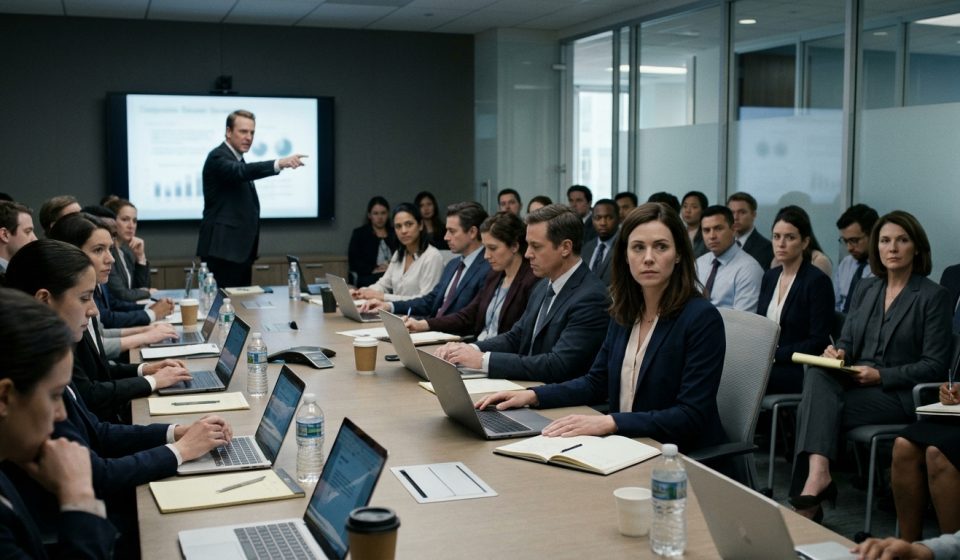
In front of 37 co-workers, my boss pointed directly at me and declared that nine years of my work had produced nothing of value. I sat in the second row of the conference room at Viridian Analytics, my hands flat against the table, trying to control my emotions. Garrett Purcell stood at the front, confidently announcing that he couldn’t identify a single contribution I’d made to the company’s success. Everyone was watching. Sales leads, project coordinators, product employees, and even board representatives had gathered for what was supposed to be an ordinary operations review. I said nothing.
Garrett wasn’t satisfied with questioning my performance. He turned toward the room, pointed at me again, and described me as deadweight with nine years and zero results. Someone in the back made an uncomfortable noise, but nobody challenged him. My name is Delaney Marsh, and I’d spent almost a decade helping this company retain its most important clients. Hearing my career dismissed so casually was devastating. Yet I kept my expression steady because Garrett had never understood the work I actually performed. The systems I maintained weren’t flashy enough to appear in his presentations, but they supported something far more important.
I joined Viridian when it was a small company with forty-one employees and a product that barely functioned. Our original CEO, Phyllis Okafor, valued careful thinking and regularly asked employees what they’d accomplished behind the scenes. I started as a Revenue Strategy Analyst, examining neglected contracts and identifying where the business was losing money. Over time, I developed client retention frameworks and contract structures that helped institutional customers remain with us for years. The better those systems worked, the less anyone noticed them. Successful renewals became ordinary business, while the people responsible for keeping clients were increasingly overlooked.
🎧 Listen to the Complete Story
Press ▶ Play below to enjoy the full narrated story.
Garrett arrived three years after I joined. As Vice President of Revenue Operations, he quickly established a management style built around visibility.
He wanted dramatic presentations, impressive headlines, and achievements that could fit neatly onto a slide bearing his name.
My work was different.
It involved detailed contracts, long-term retention planning, and systems designed to prevent problems before anyone noticed them.
Garrett began removing my projects from priority lists and excluding my name from reports I’d written.
Eventually, I stopped receiving invitations to strategic planning meetings I’d once attended regularly.
As Phyllis stepped away from daily operations, Garrett gained more influence.
By my seventh year, he was privately describing me as an unnecessary legacy expense.
But I hadn’t stopped contributing.
Major enterprise accounts continued renewing through contract structures I’d developed. The product team’s customer churn methodology also originated from my work.
I kept detailed records of everything.
For nine years, I’d maintained original documents, version histories, methodology notes, and dated evidence of my contributions.
I never imagined those records would become necessary for defending my reputation.
Then came the quarterly operations review.
In front of 37 co-workers, Garrett was preparing to present what he called a strategic assessment of the company’s resources.
I’d attended similar meetings before. Usually, he reviewed performance metrics, celebrated visible achievements, and questioned whether certain employees justified their positions.
I expected another uncomfortable morning.
But when I entered the conference room, I noticed something unusual.
Two unfamiliar people sat against the far wall with laptops and legal pads.
Beside them was Constance Delacroix, our CFO, wearing a charcoal blazer. She rarely attended Garrett’s routine meetings.
I found my seat and opened my laptop.
For forty minutes, everything proceeded normally.
The sales department discussed a successful quarter. Product employees demonstrated a new dashboard feature, and implementation staff reported progress on a rollout.
Then Garrett clicked to a slide I’d never seen before.
It was titled Legacy Resource Review.
And the only name displayed on that slide was mine.