At My Retirement Dinner, After 27 Years At The Company, My CEO Raised His Glass And Joked, We Finally Got Rid Of Our Most Expensive Mistake. 84 Co-Workers…

After twenty-seven years of dedication, Wendell was publicly humiliated at his retirement dinner, but his CEO had overlooked something that could change the company’s entire future.
Tap LISTEN TO THE FULL STORY below to reveal the narrated video and start listening.
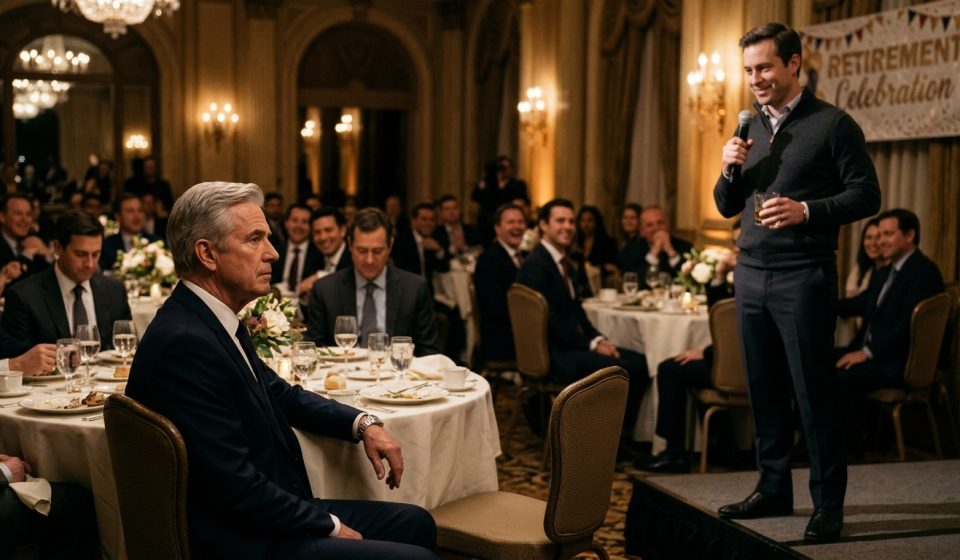
At my retirement dinner, I discovered exactly how little twenty-seven years of loyalty meant to the company’s new leadership. My name is Wendell Ashcroft, and at sixty-one years old, I had spent much of my professional life building the engineering and tooling division at Caro Stenfield Manufacturing. As I watched our thirty-four-year-old CEO, Bryce Tanvel, adjusting the microphone inside the banquet hall, I couldn’t shake the feeling that the evening had very little to do with celebrating my achievements. Something about the entire arrangement confirmed the uncomfortable suspicions I had carried for months.
The banquet hall contained eleven round tables covered with rented white linen, carefully arranged glassware, and a small stage beneath a generic banner celebrating decades of service. Interestingly, my name appeared nowhere on that banner. Instead, it had been printed on a folded card at the head table using a different font from the invitations, suggesting that someone had added it at the last minute. Bryce seemed considerably more interested in entertaining the audience than acknowledging the person whose career supposedly justified the celebration. He had been chief executive for fourteen months, while I had dedicated twenty-seven years to the company. As he tested the microphone and announced that the company was paying for drinks, the guests responded enthusiastically. I took my assigned seat beside a regional sales director whom I barely knew, looking briefly toward the empty chair where my wife would have been sitting if I had invited her.
Something had persuaded me weeks earlier that bringing my wife to this event would be a mistake. Throughout my career, I had learned to trust the instincts that helped me navigate three recessions and four corporate reorganisations. For twenty-seven years, I had been responsible for running the engineering and tooling division. When the company faced serious financial difficulties in 2009, my redesign of its chassis production line helped reduce manufacturing costs enough to make the business worth preserving. Years later, when transportation regulations changed, I had already developed and filed three important patents that positioned the company ahead of its competitors. Those patents were registered in my name and licensed to the business, an arrangement that had remained quietly in place throughout subsequent management changes. Unfortunately, the company’s new leadership appeared more interested in reducing expenses than understanding the contributions of the experienced professionals who had made its continued success possible.
🎧 Listen to the Complete Story
Press ▶ Play below to enjoy the full narrated story.
After Meridian Capital Group acquired its majority stake, the atmosphere inside the company gradually changed. Management began describing established practices as outdated thinking, making decades of experience sound like an obstacle to progress.
Two of my senior employees were reassigned to an executive who had never worked on a factory floor.
Eventually, I received an email suggesting that I consider transitioning into an advisory position.
I understood what that meant. They wanted access to my knowledge without continuing to pay my salary or recognise my authority.
Rather than fighting their decision, I agreed to retire at the end of the fiscal year. I negotiated my retirement package, signed the documents they presented, and carefully examined every line.
That was something they had apparently underestimated.
During our final meeting before the dinner, Bryce confidently explained that retirement was the right decision for me. He seemed genuinely convinced that arranging my departure was somehow a generous gesture.
Now, at my retirement dinner, I sat quietly while he entertained the guests, waiting for the evening to conclude.
At approximately 8:15, the lights dimmed, and Bryce returned to the stage holding a drink.
He asked everyone to settle down before announcing that the company was saying goodbye to one of its own.
Then he looked at his prepared cards and mentioned my twenty-seven years of service.
I watched him carefully, unaware that his next remarks would turn an ordinary retirement celebration into something the company’s leadership would never forget.